Finest Synthetic Roofing Systems for Ice Dams, Wind, and Seasonal Temperature Level Swings
A roofing system that carries out well in a light environment can battle badly when winter months ice, spring gusts, and sharp temperature swings get in the image. That gap becomes apparent in places like north Illinois, where a roofing may see subzero cold in January, hail in April, moist warm in July, and strong wind occasions virtually at any time of year. Under those problems, product selection matters far more than visual charm alone.
That is where artificial roofings have actually gained real focus. The very best items in this category are not just attempting to imitate slate, cedar, or shake. They are crafted to resolve sensible problems that all-natural materials and some traditional roof products commonly create. A well-made artificial roofing can offer effect resistance, lighter weight, far better dimensional security, and extra consistent installment information throughout intricate rooflines. For home owners handling ice dams, duplicated freeze-thaw cycles, or exposure to high winds, those strengths are more than advertising and marketing copy. They can mean fewer repair services, less water invasion danger, and a much longer service life.
Not every artificial item deserves the same self-confidence, though. Some are outstanding. Some look appealing from the road yet expose weaknesses after a couple of severe winters. If you are considering architectural synthetic roofing or planning a full artificial roofing system substitute, it assists to know what separates a long lasting system from a costly disappointment.
What environment stress and anxiety truly does to a roof
Ice dams, wind uplift, and temperature movement assault a roofing in various methods, yet they typically turn up with each other. A house sheds heat into the attic room, snow on the roof thaws, water runs to the chillier eaves, after that refreezes. That ridge of ice obstructs water drainage and presses water back uphill below the roofing. If the roof system is badly outlined, leakages follow.
Wind develops a different failing pattern. It does not require to detach half the roofing in one event to trigger damage. Repeated uplift pressure at corners, ridges, valleys, and exposed edges can loosen parts gradually. Bolts back out. Sticky bonds weaken. Tabs or edges begin to curl or babble. When one section opens, the following tornado has a tendency to make it worse.
Temperature swings are quieter yet unrelenting. Products increase in summertime warmth and agreement in winter months cold. In environments with large seasonal variation, that motion repeats year after year. Weak products fracture. Low-grade polymers can warp or exhaustion. Flashings separate where they should stay limited. What looks best after installation may not look almost as sound after five or 10 years of thermal cycling.
This is why costs synthetic roofing needs to be judged as a system, not simply a surface product. The field items matter, yet so do ridge information, underlayment, ventilation, ice and water defense, attaching roofing contractor patterns, and the skill of the artificial roofer. On premium homes especially, where roof geometry is usually extra complicated, the powerlessness is rarely just the roof shingles itself.
Why synthetic roofing has actually come to be such a solid option
Traditional slate is lovely and extremely durable, but it is hefty, expensive to mount, and demanding on the framework below it. Cedar tremble offers character, but in tough environments it needs focus and can become vulnerable to splitting, moisture retention, and aging problems. Asphalt stays typical forever factor, yet also quality laminated shingles can battle when homeowners want the appearance of natural products plus higher impact resistance and much less weight.
Synthetic roofing systems being in a valuable happy medium. The most effective ones are formed from innovative polymers, composite blends, or engineered resins that resemble slate or tremble remarkably well. Much more notably, they are created for consistency. Natural materials differ piece to piece. Good synthetics do not. That makes layout extra foreseeable, installment a lot more controlled, and performance much less depending on the luck of the pallet.
From a contractor's viewpoint, among the most significant advantages is weight. A synthetic slate roofing can typically provide the appearance of quarried slate without positioning the exact same structural burden on the home. That opens the door for synthetic roof for luxury homes where proprietors want a polished appearance without reinforcing mounting throughout your house. It additionally streamlines lots of artificial roofing system replacement projects, particularly when an older home was never ever built for the dead load of actual slate or tile.
The far better items likewise take care of impact and activity extra beautifully. In useful terms, that indicates fewer damaged items from foot traffic, hailstorm, or moving temperature levels. I have seen roofs where breakable products looked penalty from the driveway yet split around bolts after a collection of cold snaps. Great artificial roof covering tiles are normally extra forgiving, offered the product is ranked well and mounted correctly.
The attributes that matter most in ice dam country
If ice dams belong to your wintertimes, look ought to not be your very first filter. The roof has to lose water, tolerate backup, and maintain limited details at vulnerable points.
The initial thing to check out is the product's capacity to remain dimensionally secure in winter. Some lower-end synthetics can end up being stiffer and much less durable when temperature levels go down. That does not immediately mean failure, however it can enhance the possibility of fracturing under stress, specifically near attaching points or where installers overdrive nails. Better materials remain challenging without coming to be brittle.
The 2nd issue is surface area design. Not all profiles lost snow and water just as. Deeply textured artificial shake items can be stunning, however if the layout catches snow erratically or produces much more disturbance to drainage, outlining becomes much more important. In areas susceptible to ice development, I tend to favor systems with a strong record of water shedding and accessory elements that integrate easily at valleys, eaves, and sidewalls.
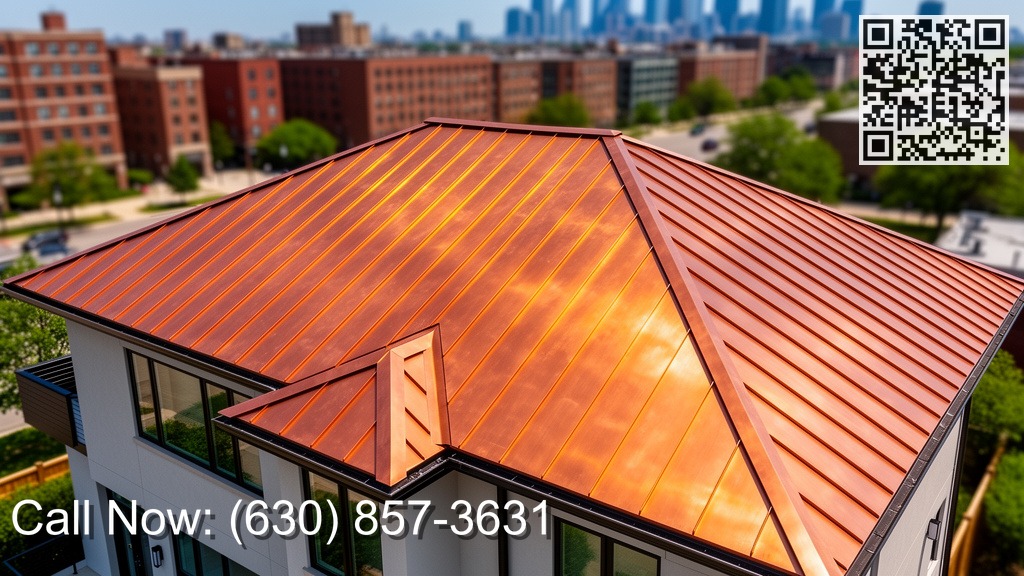
The 3rd concern is what happens under the noticeable roofing. Ice dams reveal every shortcut in underlayment choice. Even the most effective synthetic roofs require robust ice and water membrane layer in the right areas. Along eaves alone is not always enough. Roof-to-wall crossways, valleys, infiltrations, and low-slope transitions frequently are entitled to added attention. An experienced artificial roofing contractor Chicagoland property owners count on will normally chat even more about these details than regarding shade samples, and that is an excellent sign.
Ventilation additionally matters, though it is frequently oversimplified. Property owners salvo architectural roofing contractors are sometimes informed that far better air flow alone will stop ice dams. In truth, the issue is typically a mix of attic room warmth loss, air leak, insulation spaces, roof covering geometry, and weather. Ventilation helps manage roof covering deck temperature, yet it is not a magic bullet. An excellent roof covering technique addresses the assembly as a whole.
Wind performance has to do with style and setup together
Many roofing brochures highlight wind ratings, yet those numbers need context. Research laboratory testing matters, yet field efficiency depends on direct exposure, roof shape, securing precision, and edge outlining. A product rated for high wind can still underperform on a home with long open bring, steep gables, and badly secured starter courses.
Synthetic items typically have an advantage here because they are lighter than slate or floor tile and can be engineered with interlocking or high-securement styles. Some synthetic roof shingles resist uplift extremely well when mounted to requirements. That phrase matters, because wind failings frequently trace back to tiny misses out on, not tragic mistakes. Fasteners put too expensive, as well few nails per item, skipped seal points, or poorly incorporated ridge components can all create weak links.
In locations around Chicago, these details matter more than several property owners realize. Solid storm fronts can generate stress adjustments that test every vulnerable edge. On bigger custom-made homes, I typically pay close attention to the rake information, hip and ridge accessory, and exactly how the roofing changes onto patios, dormers, and turret-like functions. These are the places where wind starts to pick at a roof.
This is one reason experienced artificial roof covering installers deserve seeking. A staff that generally sets up typical asphalt may be exceptional in its lane, however synthetic systems usually call for a various rhythm and tighter experience with manufacturer-specific details. That does not imply the job must be difficult. It does mean that accuracy matters.
Seasonal temperature swings reveal the distinction between good and superb materials
A roofing in the Midwest can go from listed below no in wintertime to more than 140 degrees at the surface area under summer season sunlight. Materials increase and acquire throughout that complete range. If the polymer blend, support, and fastening layout are not up to the task, age turns up much faster than expected.
The ideal costs synthetic roofing products are developed to manage repeated thermal motion without losing shape or strength. They stand up to curling, splitting, and surface area tiredness far better than bargain options. This is specifically vital on darker colors, south-facing slopes, and steep roofing airplanes that see intense sun exposure in summer and sharp nighttime cooling.
One useful clue is just how a product has actually executed over time in environments similar to yours. A synthetic roof firm with years of neighborhood experience ought to have the ability to speak openly about which items have held shade, stayed flat, and resisted cold-weather breaking. They might not share a spread sheet of every callback, yet they usually understand which lines have actually earned count on and which ones have actually developed headaches.
For house owners taking into consideration synthetic roofing Chicago projects, or exploring artificial roof Naperville IL, neighborhood climate background matters greater than a shiny nationwide brochure. A product that does perfectly in a milder seaside environment may not confirm itself the same way after ten Chicagoland winters.
Synthetic slate versus synthetic shake
This contrast comes up commonly, especially in neighborhoods with higher-end architecture. Both classifications can perform well, yet they develop a little different threat accounts and aesthetic effects.
Synthetic slate usually uses a cleaner water-shedding profile and an extra official appearance. On homes with rock, block, or timeless architectural lines, it typically looks appropriate and restrained. Because the profile is typically flatter than a hand-split shake look, some synthetic slate systems are a little simpler to information in water-sensitive locations. That can be an advantage where ice dam exposure is a reoccuring concern.
Synthetic shake tends to supply even more structure and shadow lines. It can look exceptional on transitional, French country, lake-style, or craftsman-inspired homes. The far better products are convincing from visual range and still attractive up close. But heavier appearance and thicker accounts place more stress on the installer to obtain spacing, positioning, exposure, and accessory assimilation precisely right. Water management is still very possible, but it demands cautious execution.
For synthetic roofing for luxury homes, the option frequently boils down to architectural fit first, then product pedigree, then installer experience with that said particular system. The safest course is seldom choosing the most dramatic account. It is selecting the item whose appearance matches your house and whose long-lasting habits is well understood.
What divides premium products from the rest
There is no solitary test that tells the whole tale, yet in technique I look for a combination of worldly high quality, accessory completeness, support from the manufacturer, and a practical performance record.
A premium artificial roofing item typically shows its high quality in subtler means. The edges are consistent. The molded texture looks willful, not repeated and plastic. The pieces really feel resilient in hand without being overly inflexible. Color mixing is managed rather than blotchy. Maybe most important, the full system is analyzed. Ridge caps, starter elements, hip details, and air flow compatibility are not afterthoughts.
Cheaper products typically reveal themselves throughout installment. The cuts may battle royal or chip a lot more easily. Density can differ. Fastener areas may not feel as robust. Layout can come to be fussy since the production tolerances are looser. On a straightforward shed roofing system, maybe that is manageable. On a complicated customized home, those variances have a tendency to compound.
That is why a residential synthetic roof covering conversation should consist of both item and labor at the exact same time. Conserving cash on product just to spend much more on repair services or a premature artificial roof covering substitute is seldom a bargain.
Installation decisions that matter greater than home owners expect
Most roofing system failures are not remarkable product failings. They are setting up failings. A house owner might believe the synthetic tiles are to blame, when the actual leak originated from a hurried valley information, insufficient membrane protection, bad flashing assimilation, or bad air flow planning.
A successful synthetic roof setup typically begins with the tear-off phase and deck assessment. Older homes often have actually concealed deck damages, missed sheathing repair work, or unequal planes that impact the finished appearance. Artificial materials can disguise some imperfections, however not all. On high-visibility roofings, surface monotony matters.
Fastener selection matters too. So does just how those fasteners are driven. Overdriven fasteners can weaken add-on. Underdriven bolts can hold items off the deck and produce stress and anxiety factors. With some systems, the maker's setup pattern is not a pointer. It is main to the wind and service warranty performance.
Flashing metal deserves more respect than it frequently obtains. Contractors often focus on the main area and treat metalwork as background woodworking. Yet on roofs managing snow and freeze-thaw biking, steel at valleys, smokeshafts, skylights, and wall surface junctions typically determines whether the assembly remains dry.
For that reason, when picking an artificial professional roofer, I pay attention carefully to how they speak about information. If the entire discussion centers on the noticeable item, with little conversation of membrane layers, flashings, air flow, and attic problems, that is not enough.
Questions worth asking before you choose a system
A good sales conversation should leave you much better informed, not merely assured. The appropriate specialist must be able to describe why a given synthetic roofing system fits your house, your climate exposure, and your budget.
Here are a few inquiries that typically expose whether you are taking care of a well-informed synthetic roof covering business:
- How has this specific item done locally via several winters months and summertime warmth cycles?
- What is your plan for ice and water membrane insurance coverage beyond the basic eaves?
- How do you deal with ridge, valley, and wall flashing details on complicated rooflines?
- Who on your crew has straight experience with this maker's system?
- What conditions would make you advise a different synthetic product, or a various roof covering product altogether?
Those solutions ought to appear details. Vague self-confidence is very easy. Valuable self-confidence includes details.
Where artificial roof makes the most sense
Synthetic roofing is not automatically the ideal answer for every home. On a really easy home where budget plan is the main worry, a high-quality asphalt roofing may still make more monetary sense. If a home owner desires true natural slate and the framework can support it, natural stone stays an exceptional roof material.
But synthetic roof coverings are frequently the wonderful area when a homeowner wants raised look, reduced architectural problem, solid weather condition performance, and decreased maintenance compared to some natural materials. They are specifically engaging on homes with intricate architecture, bigger roof covering locations, or neighborhoods where visual personality matters.
I see the best situation for synthetic roofings in homes exposed to reoccuring freeze-thaw cycles, periodic hail storm, and gusty storms, precisely the type of pattern usual in Chicagoland. That is why searches for artificial roofing Chicago or synthetic roof Naperville IL continue to climb. Home owners are seeking something much more resilient than a basic roof, but more useful than the weight and price of conventional slate or tile.
The actual value is in less weak points
When property owners ask for the most effective roof for ice dams, wind, and seasonal temperature swings, they are usually hoping for a wonder product. There is no wonder item. There are only systems that lower weak points better than others.
The ideal artificial roofs do that well. They integrate a long lasting, secure roofing product with thoughtful layout, strong accessory elements, and disciplined installation. They can provide the appearance of slate or cedar without much of the disadvantages that all-natural products bring to extreme climates. They can likewise surpass assumptions when they are coupled with appropriate attic insulation, air securing, air flow, and blinking work.
If you are examining architectural synthetic roof for your home, emphasis less on the sales pitch and more on the roofing's likely behavior over fifteen or twenty winters. Ask just how it handles backed-up water. Ask what takes place at the sides in solid wind. Ask just how the material reacts to repeated temperature swings. Ask to see neighboring tasks that are no more brand name new.
That is where the best products and the very best specialists divide themselves. Not in the showroom, but on genuine homes, after real weather condition, with nothing entrusted to hide.
When Quality Matters
Salvo Architectural Roofing Contractors
566 West 5th Ave Naperville, IL 60563
(630) 857-3631
 Ask ChatGPT
 Ask Grok
 Ask Perplexity
 Ask Claude
 Ask Google AI
 Ask You